
Conservative treatment first
Before considering surgery, we evaluate medications, lifestyle changes, and close monitoring. Many patients stabilize without any surgical intervention.
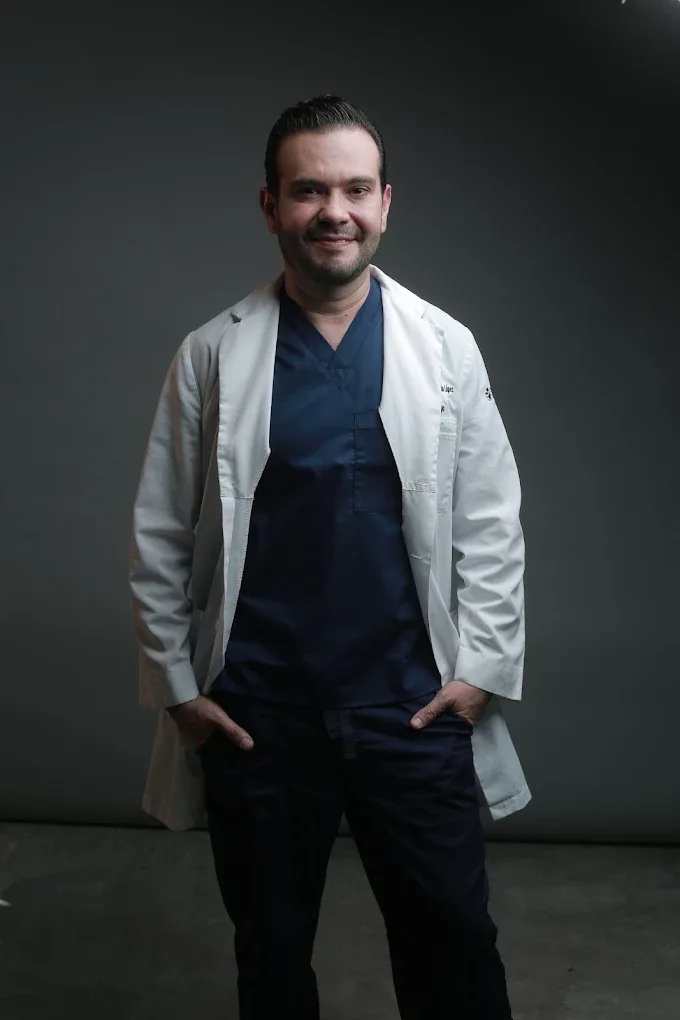
Dr. Juan Antonio Acuña
Monterrey, Mexico
From conservative treatment to HoLEP laser surgery and TURP — Dr. Acuña evaluates your case with 15 years of experience and over 200 prostate surgeries.
Bilingual urologist (English & Spanish) in Monterrey. Internationally trained and board-certified by the Mexican Council of Urology. If you don't need surgery, we'll be honest about it.
Prof. license 4210936 · Specialty license 6675269 · CMU cert. 2479-25U
Response within 24 hours · Same-day appointments for urgent cases
Real Google Business reviews. Every name and every story belongs to a patient who went through the process.
My nephew visited Dr. Acuña from San Antonio, Texas for a consultation. Dr. Acuña was exceptional in his knowledge, honesty and communication skills. He was up front and direct about diagnosis and options. He gave us a thorough evaluation and a clear plan of action. My nephew and I are grateful for the quality care we received.
Public reviews from Google Business Profile. View privacy policy.
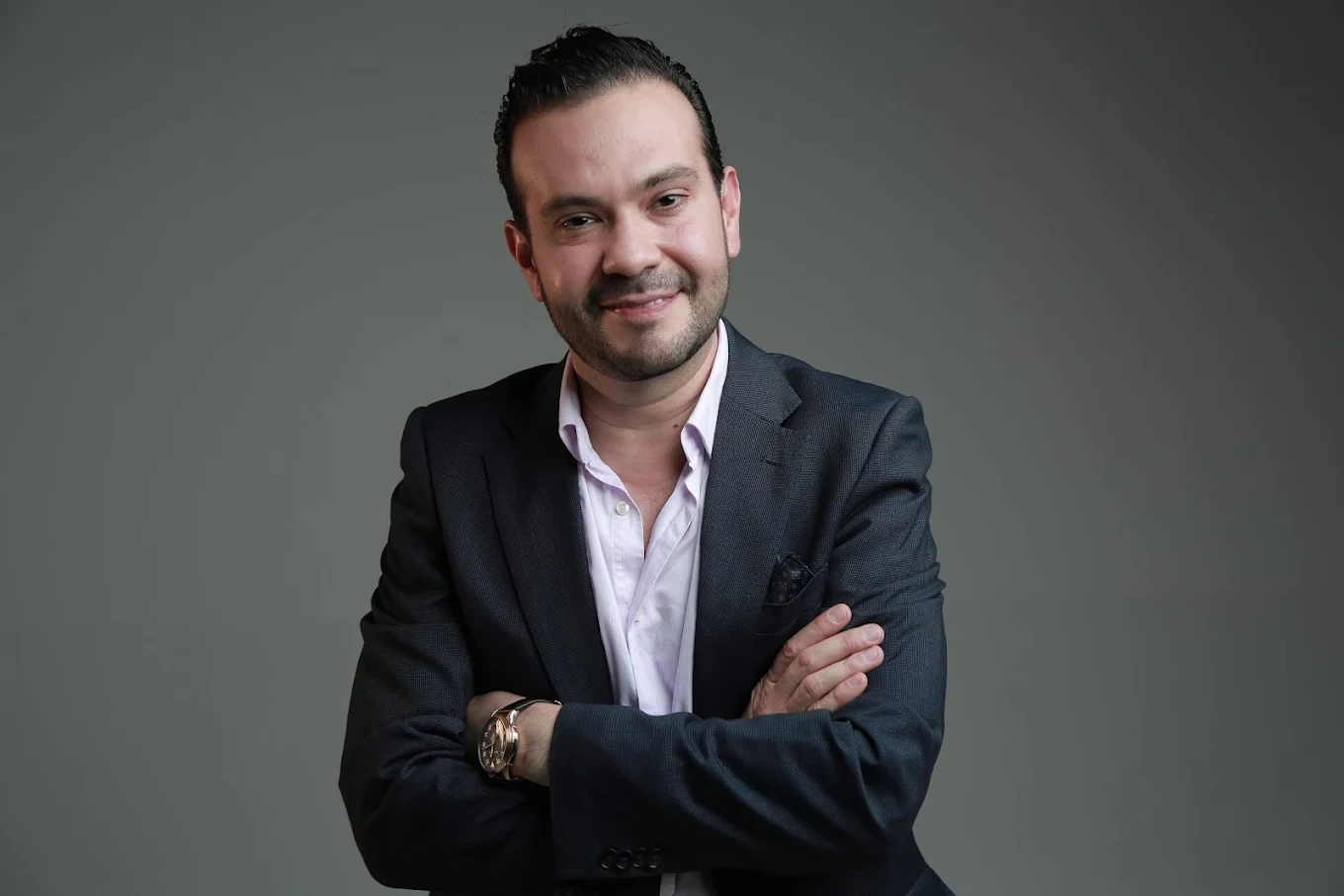
Urologist with 15 years of experience, international training, and a presence at Monterrey's top hospitals. Fluent in English and Spanish.
Over 20,000 patients treated and more than 10,000 procedures performed. Trained at UANL, with a fellowship in Endourology in Guadalajara and a fellowship in Andrology at Hospital Fundación Puigvert in Barcelona.
Professional license 4210936 · Specialty license 6675269 · CMU certification 2479-25U
See his full background →Enlarged prostate (BPH) is very common after age 50. These symptoms are not something you simply have to live with — there are real solutions.
BPH progresses over time. An early evaluation can open the door to conservative options and prevent major surgery. Dr. Acuña will explain exactly where your case stands — and what your options are — without pressure.
Flow that starts slowly, cuts off, or ends in dribbling. A classic sign of prostatic obstruction.
The sudden, intense need to get to a bathroom immediately — sometimes without being able to hold it. Affects meetings, travel, and daily life.
Getting up multiple times at night destroys your sleep and your partner's. One of the symptoms that most impacts quality of life.
The feeling that your bladder never fully empties — or in serious cases, inability to urinate at all. Requires urgent attention.
Burning can indicate a secondary urinary infection or inflammation. Don't normalize it.
Erectile dysfunction, painful ejaculation, or pelvic discomfort can all be prostate-related.
Some specialists offer only one solution and apply it to everyone. We do the opposite: first we understand your case, then we choose the right tool.
Before considering surgery, we evaluate medications, lifestyle changes, and close monitoring. Many patients stabilize without any surgical intervention.
The gold standard per EAU 2024 Guidelines. No external incisions, less bleeding, fast recovery. All removed tissue goes to pathology. Equally effective on small and large prostates.
Classic transurethral resection remains a solid technique in cases where patient conditions or prostate size make it the optimal choice. High-volume experience.
"The technique is chosen based on your case, not the other way around."
In your first consultation, Dr. Acuña reviews your history, symptoms, and studies. He then explains clearly which option is best for you — and if you don't need surgery, he'll tell you.
Data from Dr. Acuña's clinical practice · Individual results may vary
Straight answers to the most common questions — in plain language.
Very likely yes. Loss of urine stream force, weak or intermittent flow, and the feeling that the bladder doesn't empty completely are the most common symptoms of benign prostatic hyperplasia (BPH). A simple evaluation — ultrasound and PSA — can confirm the diagnosis and show how advanced it is. You don't have to endure it or normalize it.
HoLEP has no size limit. Dr. Acuña has operated prostates up to 250 grams with this technique. Unlike classic TURP, which faces limitations with very large prostates, HoLEP is equally effective for small and large glands. The EAU 2024 Guidelines recommend it as the first-line surgical option regardless of prostate volume.
In our practice, the urinary catheter is removed in 24 hours and hospital discharge occurs in approximately 2 days. Most patients gradually return to daily activities in the following weeks. Our post-operative incontinence rate is under 1%. Exact timelines vary by case — Dr. Acuña gives a personalized estimate at your consultation.
No. Many patients are managed with medications, lifestyle changes, and active surveillance. Surgery is considered when symptoms are significant, when complications arise (urinary retention, recurrent infections, kidney damage), or when conservative treatment is no longer sufficient. Dr. Acuña's philosophy is clear: "We always try to avoid surgery, but when it's needed, we choose the one that's right for each patient."
It depends on several factors: prostate size and characteristics, degree of obstruction, and general health conditions. There is no one-size-fits-all answer. At the first consultation, with the right studies, Dr. Acuña explains which option is most appropriate for your specific case — without pushing you toward any particular technique.
Dr. Acuña requests prior studies before the evaluation to make the most of your time: kidney and bladder ultrasound, and PSA (prostate-specific antigen) blood level. If you already have recent studies, bring them. The consultation includes a complete physical exam, review of results, and definition of an action plan. You leave with a clear diagnosis and no pressure to make immediate decisions.
Yes. We offer virtual consultations for patients living in Texas or anywhere in the U.S. You can have an initial evaluation remotely and coordinate your visit to Monterrey only when necessary — typically just for surgery or an in-person exam. The process is simple: start with a WhatsApp message, and we'll guide you from there.
We work with Mexico's leading insurance carriers. U.S. patients: some international PPO plans cover care in Mexico — ask us about your coverage via WhatsApp.










Don't see your insurer? Message us — we work with most carriers and can verify your coverage.