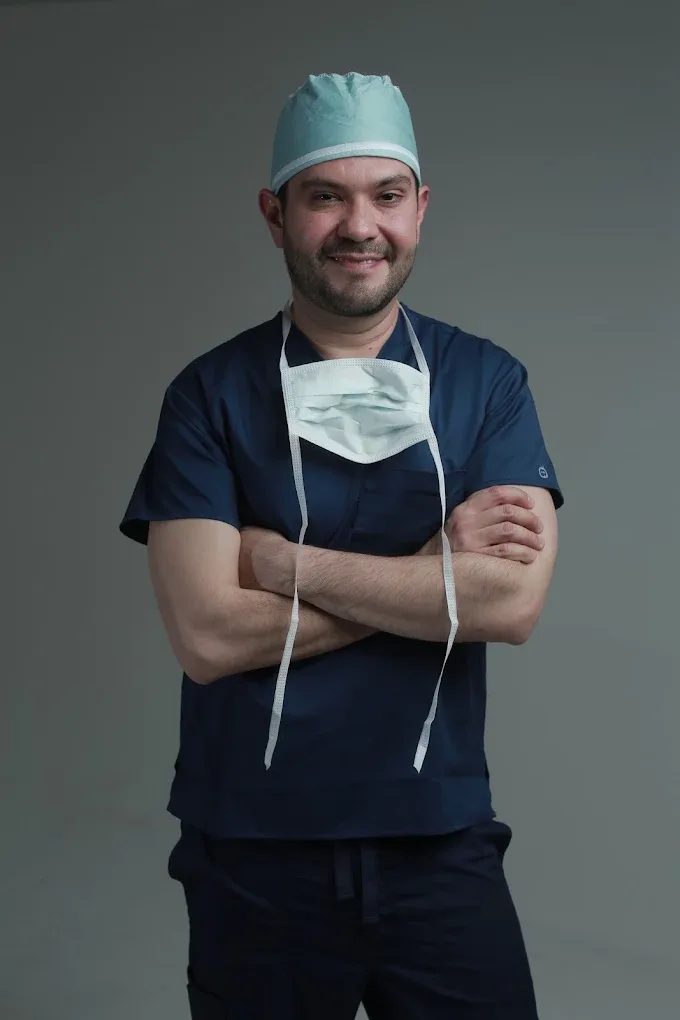
From the first symptom to follow-up after surgery — the whole process with the same specialist.
01
Symptoms & reasons to visit
Weak or interrupted stream
Urgency to urinate
Nocturia: waking up 3+ times at night
Incomplete bladder emptying
Burning or discomfort when urinating
Sexual or pelvic discomfort
02
Conditions
Benign prostatic hyperplasia (BPH)
Urinary retention
Recurrent urinary infections
Prostatic obstruction with kidney damage
03
Tests & evaluation
Prostate-specific antigen (PSA)
Kidney and bladder ultrasound
Physical exam and review of studies
Second opinion
04
Treatment without surgery
Medication
Lifestyle changes
Active surveillance
Virtual consultations for patients in Texas and the U.S.
05
Minimally invasive surgery
HoLEP: holmium laser enucleation
TURP (transurethral resection)
Prostates of any size, up to 250 g
Pathology analysis of removed tissue
06
Recovery & follow-up
Catheter removal in 24 hours (HoLEP)
Hospital discharge in ~2 days
Direct follow-up via WhatsApp
Post-operative care with the same specialist
Holmium laser enucleation
HoLEP: minimally invasive prostate surgery in Monterrey, Mexico
HoLEP (Holmium Laser Enucleation of the Prostate) is today's gold standard for prostate enlargement surgery according to the EAU 2024 Guidelines. It is performed without external incisions: the laser enters through the urethra, completely removes the tissue blocking urine flow, and sends it to pathology to rule out cancer.
In our practice, the catheter is removed in 24 hours and hospital stay is approximately 2 days. Our post-operative incontinence rate is less than 1%. Dr. Acuña has performed HoLEP on prostates up to 250 grams.
No external incisions — access through the natural pathway
Less bleeding — holmium laser coagulates as it cuts
Urinary catheter removed in 24 hours in our practice
Hospital discharge in approximately 2 days
All removed tissue sent to pathology — complete diagnosis
For prostates of any size — we have operated up to 250 g (a normal prostate weighs 25 g; 10× larger)
These are not numbers from medical literature — they are the clinical results from Dr. Acuña's practice.
24 hCatheter removal
Urinary catheter removed in 24 hours
In our practice, the urinary catheter is removed the day after the procedure. This timeframe may vary in some patients depending on their clinical progress. One of the most concrete indicators of HoLEP's fast recovery.
2 daysHospital stay
Hospital discharge in approximately 2 days
Most patients go home two days after surgery — compared to open procedures that require weeks of recovery.
<1%Incontinence
Post-operative incontinence rate under 1%
One of patients' most common concerns. In our practice, post-operative urinary incontinence occurs in less than 1% of cases.
250 gLargest prostate
Prostates of any size — up to 250 grams
HoLEP has no volume limitation. We have successfully operated prostates up to 250 grams — 10× larger than a normal 25g prostate — cases many other approaches cannot handle.
WhatsAppFollow-up
Direct follow-up via WhatsApp
Dr. Acuña closely accompanies recovery. You can contact him directly to resolve post-operative questions — no intermediaries.
PathologySafety
Removed tissue sent to pathology
All extracted tissue is sent for histopathological analysis, allowing simultaneous ruling out of prostate cancer.
Data from Dr. Acuña's clinical practice in Monterrey. Individual results may vary based on each patient's condition. Consult directly with the specialist.